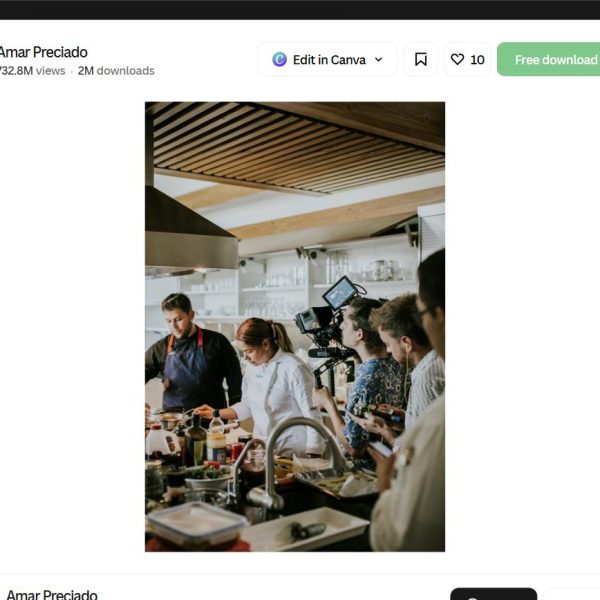
A boutique hotel restaurant just outside Siena built a modest following by posting short videos of its kitchen at work and within a year those clips reached viewers across dozens of countries who had never set foot in Tuscany. The chef noticed comments arriving in Portuguese and Korean and realized the kitchen door had opened onto a much larger audience than anyone on staff had originally planned for.
Views kept climbing even though almost none of the new viewers understood a word of Italian and that gap became impossible to ignore once engagement started dropping on videos posted without any translation at all. A short clip explaining how to fold pici by hand meant little to a viewer in Brazil who could not follow the spoken instructions no matter how carefully the camera lingered on each step.
The hotel's marketing team tested a handful of fixes before landing on the one that actually worked which was pairing every video with accurate subtitles in the languages their new fans already spoke. Engagement on subtitled clips climbed past anything the kitchen had posted before and comments shifted from confused emoji reactions into real questions about ingredients and technique.
That shift did not happen by accident since a rushed or machine generated subtitle track tends to mangle food terms in ways that confuse rather than help a viewer trying to follow a recipe at home. A dish name translated too literally can turn a beloved regional specialty into something that sounds unappetizing or simply wrong to a viewer who has never heard of it before.
Why Subtitles Carry More Weight Than Views Alone
Hotels that lean on cooking content for marketing eventually reach the same wall this one did once the volume of footage outgrows what any single staff member can translate in their spare time between shifts. Bringing in proper subtitling services let the kitchen keep publishing at the same pace while every caption held up to scrutiny from viewers who actually cooked the dishes at home themselves.
A subtitled video also travels further once a platform's algorithm starts recommending it to viewers in a language the creator never targeted directly in the first place. The Siena kitchen found itself recommended to home cooks in Poland and Ukraine within weeks of adding proper subtitle tracks to its entire back catalog rather than only to new uploads going forward.
Subtitles bridge the language gap, yet they still leave out viewers who watch with the sound off or need more than dialogue to follow a story. This is where professional closed captioning services make the difference, since captions identify speakers and describe sound effects instead of only translating speech. For hotels publishing recipe videos, captioned clips stay fully watchable on silent autoplay feeds while also making the content accessible to deaf and hard-of-hearing viewers.
Staff who once dreaded editing captions by hand now treat subtitling as a routine part of publishing rather than an afterthought bolted on once a video was already finished. That change freed up hours every week that the kitchen team now spends developing new recipes instead of wrestling with caption software late at night.
A Kitchen Built On More Than One Language
The same hotel had already been hiring cooks from outside Italy for years before the videos ever took off and several of its most reliable line cooks arrived from Poland with strong technical training but limited Italian on their very first day. Getting contracts and safety certifications into a language they could actually read meant working with polish translation services rather than leaving new hires to guess at documents written entirely in Italian.
A kitchen manager who has onboarded staff this way says the upfront cost of proper translation pays for itself the first time a new cook avoids a mistake because a safety notice actually made sense to them. Cooks who understand their contracts and their equipment manuals settle into a new kitchen far faster than those left to piece together meaning from context alone.
For hospitality businesses juggling both staff documentation and video content, professional translation services provide a single reliable partner for every language need. Instead of piecing together freelance translators for contracts and separate vendors for subtitles, hotels can streamline costs and maintain consistent quality across all materials. A dedicated translation partner who understands both legal terminology and culinary vocabulary prevents the mismatches that confuse new hires or mislead viewers. As the Siena kitchen discovered, investing in professional language support pays for itself through smoother operations and a wider, more engaged audience.
That same attention to language ended up shaping how the kitchen approached its video captions since staff who already understood the value of clear translation were quick to flag clumsy subtitle drafts before they went live. A cook who noticed a mistranslated ingredient name in an early caption draft became the person who now reviews every subtitle before it gets published.
What The Wider Industry Says About This Shift
The Michelin Guide has noted that hospitality businesses increasingly build audiences well beyond their physical dining rooms through video content that reaches viewers who may never book a table at all. That same content now functions as an informal recruiting tool since prospective cooks abroad often discover a kitchen through its videos long before they ever see a job listing.
Workforce data from the OECD shows hospitality has become one of the more internationally staffed sectors in southern Europe with kitchen teams increasingly drawing on cooks trained abroad rather than only locally. That trend makes clear translation less of a courtesy and more of an operational requirement for any hotel restaurant hoping to keep both its dining room and its kitchen running smoothly at the same time.
Lessons For Hotels Chasing The Same Growth
Hotels watching this kind of growth from the outside often assume the hard part is producing good footage when the harder part turns out to be making that footage understandable to everyone who eventually finds it. A recipe video without accurate subtitles reaches only a fraction of the audience a subtitled version eventually earns once word starts to spread.
The lesson extends well past the camera too since a kitchen that invests in clear communication for its own staff tends to produce steadier and more consistent food regardless of who happens to be standing at the stove that day. Cooks who fully understand their training materials make fewer errors and settle into their roles with far less friction than those who do not.
Some hotels have started treating subtitle quality and staff translation as part of the same budget line rather than two separate concerns handled by different departments entirely. A general manager who groups these costs together tends to notice faster how much smoother both the kitchen and the marketing team are running once nobody is left guessing at meaning.
The Siena kitchen now treats language as part of its recipe rather than an afterthought handled once a dish is already plated for the camera. Guests who once discovered the hotel through a subtitled video now arrive in person asking to try the dish they watched a cook prepare in a language neither of them originally shared with each other.