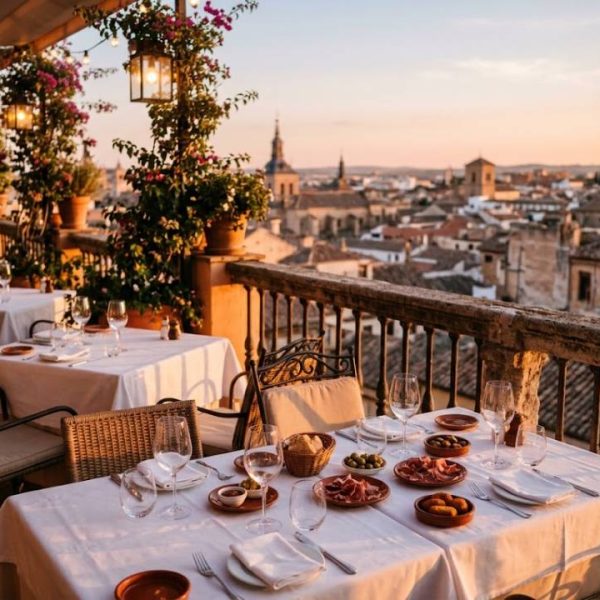
Spain welcomes tens of millions of visitors every year, and a growing share of them travel from Poland. Direct flights, long summers and friendly prices make Costa del Sol, Barcelona and the islands favourite destinations. For hotels and restaurants, that is a clear opportunity. A guest who can read the menu in their own language orders more, asks fewer questions and leaves a better review.
Why Polish guests matter for Spanish hotels
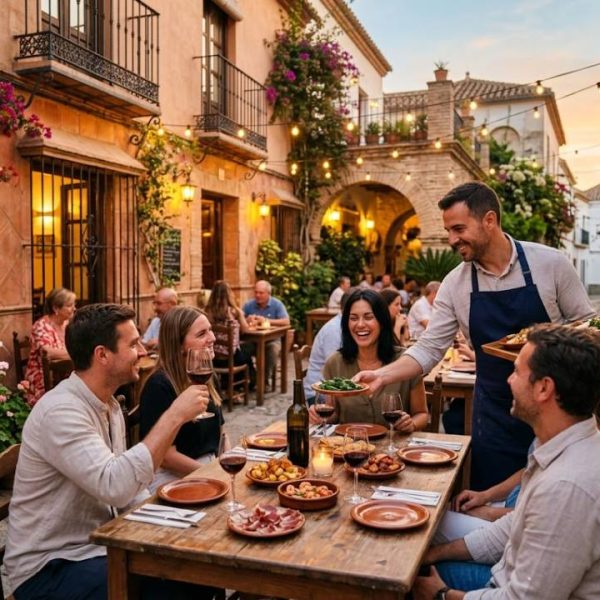
Polish travellers tend to stay a week or more and often book full or half board. They enjoy local food, eat out in the evening and appreciate a warm welcome. Many travel as families, which means bigger tables and repeat visits.
Most speak some English, but comfort levels vary. A short sentence in Polish at the reception desk or on the breakfast card can change the whole mood of a stay.
What to translate first
Start with the pages every guest sees. The breakfast and dinner menus, the check-in information, the Wi-Fi instructions and the emergency numbers all deserve a Polish version. After that, add the spa price list, the excursion offers and the house rules.
Keep each text short. Hotel guests scan, they do not study. Clear headings and simple sentences are more welcome than long paragraphs.
Menus need more than word-for-word work
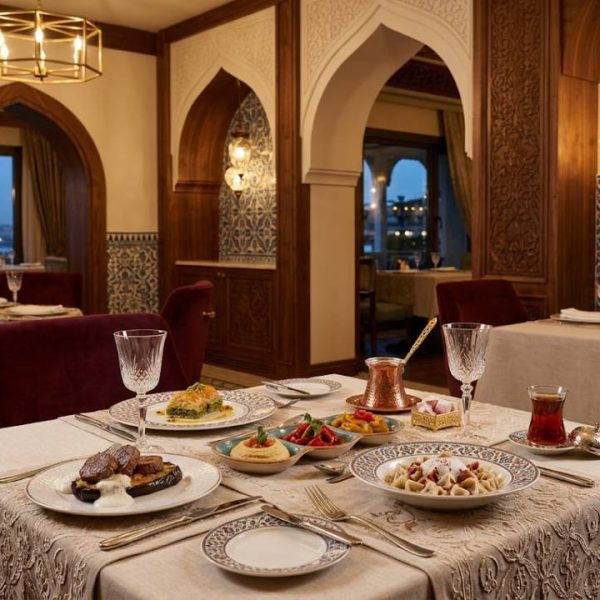
Spanish food has a rich vocabulary. Dishes such as "pisto", "salmorejo" or "migas" do not have direct Polish equivalents. A good translation keeps the original name and adds a short, appetizing description. Guests then know what to expect and feel curious rather than lost.
Allergens are even more important. Words for gluten, nuts, shellfish and dairy must be exact. Professional Polish translator support helps hotels avoid errors that could harm a guest or a reputation.
Tone and politeness
Polish has formal and informal ways to address a reader. Hotels should choose the polite form, which sounds respectful without being stiff. A native speaker also knows which phrases feel natural and which sound like a literal copy from English or Spanish.
Small details like date formats, 24-hour clocks and currency symbols show care. They tell guests that the hotel has thought about their habits.
Working with partners and local agencies
Many hotels sell rooms through tour operators and local agencies. These partners prepare brochures, excursion lists and transfer information. Understanding how they work helps a hotel keep its message consistent. A short overview of destination management companies shows how local experts shape the guest journey from arrival to departure.
Share your translated texts with these partners so the same terms appear in every brochure and booking page.
Online reviews and replies
Guests read reviews before they book. A reply in the reviewer's language shows that the hotel listens. Prepare a few friendly templates in Polish for thanks, apologies and invitations to return, and adjust them for each case.
Avoid copying the same text every time. Readers notice when answers look automatic.
Signs, maps and local tips
Guests love practical help. A one-page guide with beach hours, pharmacy locations, bus lines and the best local restaurants takes little effort and earns real gratitude. Add a simple map and a few phrases in Spanish so visitors can ask for directions on their own.
Seasonal events, such as local festivals and market days, are worth a short mention. They give guests something to plan and talk about.
Digital tools for the front desk
Many hotels now use messaging apps and QR codes for check-in and room service. Make sure the screens and automatic replies appear in Polish too. A confusing automatic message is worse than none at all, so test every flow before the season starts.
Staff phrases that make a difference
Teach the team ten Polish phrases. "Dzień dobry", "dziękuję", "smacznego" and "do widzenia" are a strong start. A smile and a few words are remembered longer than a perfect brochure.
Print a small card for the reception and the restaurant so new staff can learn quickly.
Michelin, quality and local pride
Spain's food scene is respected worldwide, and many hotels aim to match that standard. For general trends and official travel information, the official Spain tourism website is a useful starting point. Linking your own story to regional ingredients and traditions gives guests an extra reason to choose you.
A simple plan for the next season
List all guest-facing texts. Rank them by importance. Translate the top ten, then test them with a few Polish guests and ask for feedback. Adjust the wording, publish the final version and update it each season.
Small steps are enough. Even a modest set of translated texts can lift satisfaction scores.
Hospitality speaks every language
A hotel is a place where people want to feel looked after. Clear information in the guest's language says exactly that, without a single extra word. Invest in it once, and it works for every guest who walks through the door.
The reward is simple: happier visitors, better reviews and tables that fill up even in the quiet weeks.